Category: Strategy
-
Strategy is a Storytelling Function
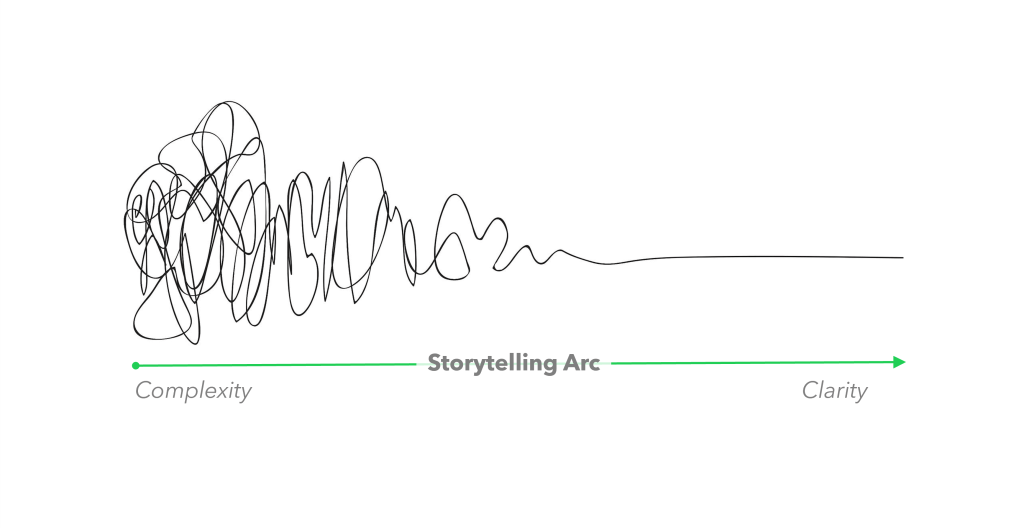
In Sapiens, Yuval Noah Harari argues that what separates humans from other species is not intelligence or tool use, but our ability to create and believe in shared stories. Money, nations, corporations, and laws exist only because enough people agree to act as if they are real. Organizations are no different. They do not run…
-
The Top 25 Jobs-to-Be-Done in Retail Investing

One of the best pieces of writing advice is to write the article you wish already existed. When I set out to look for a concise list of the most common jobs-to-be-done for retail investors, particularly those who use online trading platforms, I came up rather empty (although I feel like Morgan Housel probably has…
-
The Optionality Strategy: Microsoft, Fidelity and the Pursuit of Corporate Learning

Strategy is very rarely linear. We seldom start at Point A, aim at Point B, and call it a day. In fact, strategy is filled with randomness. Companies are complex adaptive systems sitting inside industries which behave in the same way. The arenas in which companies compete are always changing. They are occasionally reflexive and…
-
Youth Leads Culture: Why Understanding Generation Z is Imperative for Any Business

“When you’re young, every rule is illegitimate until proven otherwise. It is precisely because [youth] have so little to lose from the way things are that young people will continue to be the inexhaustibly neophilic motor of culture.” I love this quote from Derek Thompson’s book Hit Makers because it rings so true. Young people…
-
Validated Learning in Strategy: Bringing Lean-Startup Thinking to the Corporate Strategy World

Minimum viable products… MVPs were all the rage back in 2012 when we first started exploring the fintech arena at the consultancy I worked at. Eric Ries had just published his book and validated learning was being discussed in the offices of both corporations and startups alike. The framework was elegant. Build-measure-learn: a concise feedback…
-
Unlocking Dormant Supply and The Strategy of Doing Things That Don’t Scale: The Case Study of Canada’s Neo Financial
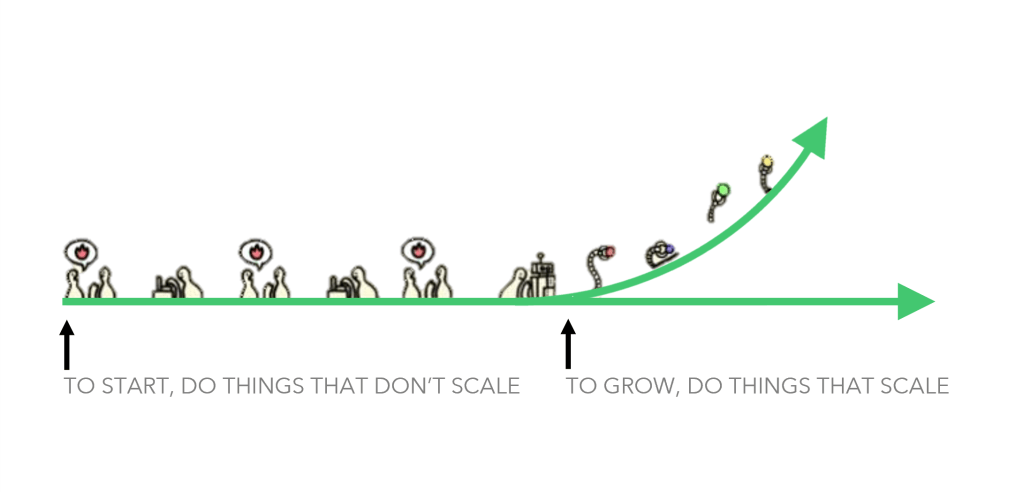
“Do things that don’t scale”. This common advice, often bestowed upon start-up founders—particularly those going through Y Combinator—was popularized by Paul Graham in a 2013 blog post. The crux of his argument was that a start-up’s biggest advantage is its speed and ability to adapt and what better way to learn what customers want then…
-
Revenue Mirages: When to Ditch an Ephemeral Revenue Line

Last week, Lyft reported their second quarter earnings, and the release contained an interesting nugget about their future pricing plans. As per TechCrunch: Lyft’s revenue per rider decreased almost 5% quarter-over-quarter, while the number of active riders increased in the second quarter to 21,487 riders, up from 19,552 in the first quarter. Lyft appears to…
-
The New Focal Point: How Brands Become More Valuable in the Age of Generative AI

The Cost of Distribution Goes to Zero Here’s a problem very few people have had in recent years: newspaper ink stains. Pouring through the Sunday Times inevitably meant having to wash a thin black film off of your fingertips… but when was the last time you held a physical newspaper in your hand long enough…
-
Reducing the Time to Asymptote: A Framework for Thinking About the Ingredients of Scale

We’ve all seen this chart before. It is an illustration of how technology adoption has accelerated over the past 100 years. The standard telephone took over 60 years to reach 80% adoption amongst U.S. households. Cellphones reached the same milestone, but took only 20 years. Some of these technologies will peak at ~100% adoption among…
-
The Most ‘Human’ Company: A Turing Test for the Corporate World

In the analog age, information was scarce. In the internet age, information was abundant and interpretation was scarce. In the artificial intelligence age, both information and interpretation are abundant. Humanness is what becomes scarce. Distinguishing Man from Machine Since the birth of the computer in the mid-20th century, building ‘humanness’ into our technological pursuits has…
 Paper & Blocks